As we approach the end of 2018, I’ve been looking back over my photography and also picked a few of my favourite photos from this year.
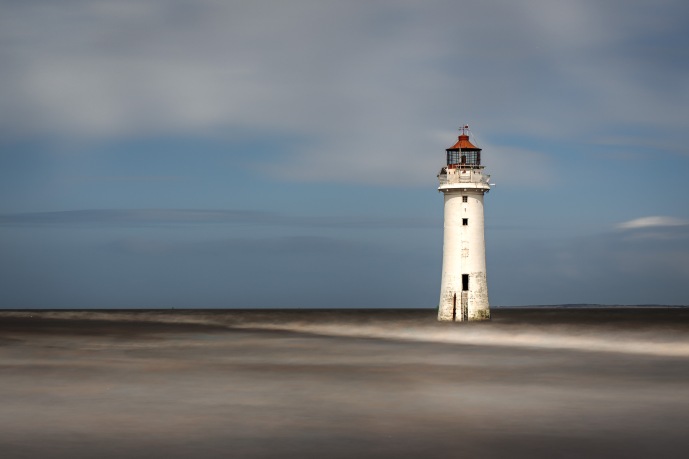
Perch Rock – E-M1ii & 12-40mm
I started the year with a couple of Olympus cameras – a Pen-F, and an OMD E-M1ii – both excellent cameras with amazing features. The E-M1ii was probably the best-handling camera I’ve ever used, and the arsenal of lenses I had acquired over the previous year or so were all excellent. Despite this, somehow the results I was getting didn’t really make me happy. I tried every which way to get the result I wanted, but there was always something that didn’t quite work for me.
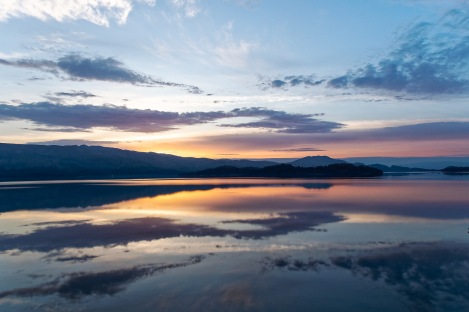
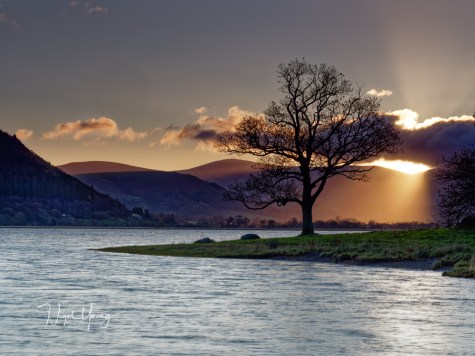
Loch Lomond – E-M1ii & 12-100mm
I’d tried a Sony A7Rii previously, and although I liked the image quality, I just wasn’t sure about going back to a full frame camera with it’s bigger lenses etc; one of the things that attracted me to the Olympus had been it’s compact size and much lighter weight. When the new A7iii came out with it’s superb image quality and better handling, auto focus, viewfinder and battery life than the ‘old’ models, a change was inevitable… I realised that convenience was never going to be a match for image quality.
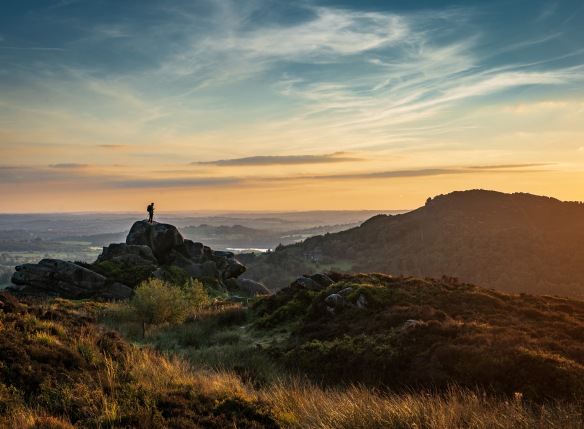
Ramshaw Rocks – Sony A7iii & 16-35mm
Rather than risk the uncertainties of eBay, I sold all my Olympus gear to mpb.com – not the absolute best prices, but fair enough, and of course a risk free and speedy transaction. This bought me an A7iii body and a couple of decent prime lenses, to which I’ve added the superb 24-105mm ‘everyday’ zoom, and the super wide 16-35mm f4 Zeiss lens. I’m certainly happy with what this camera can do – the RAW files are truly amazing, and there is no significant image degradation even with fairly heavy post-processing. (By contrast, the Olympus files would ‘break up’ under even modest processing, with nasty artefacts and excessive noise.) No such problem with the Sony camera.
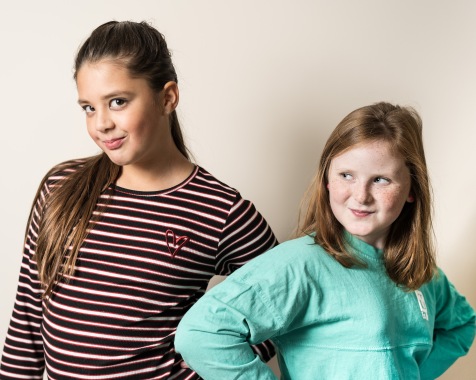
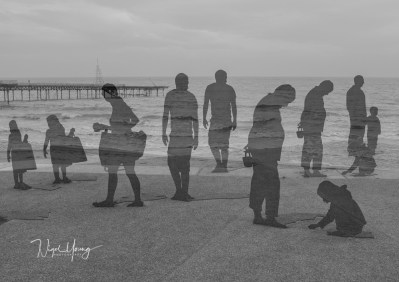
Double Trouble – Sony A7iii & 55mm
To be fair, I haven’t used the camera to it’s full potential – in fact I haven’t used it a lot as yet, but every photo I have taken with it so far has exceeded my expectations. The images (especially those taken with the prime lenses) are razor sharp, and the massive 15 stop dynamic range means that shadows can be recovered in post-processing without creating excessive noise. So much so that I think I’ve only once needed to use my graduated filters – I’m seriously thinking of abandoning them altogether, which is a fair weight saving when walking.
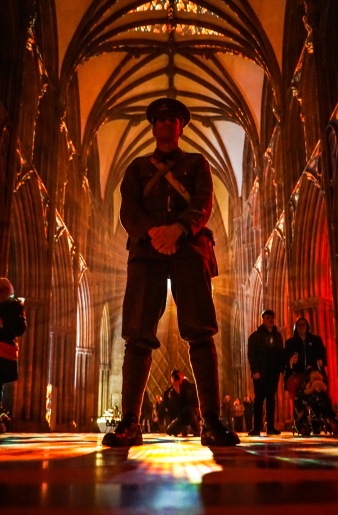
Lichfield Cathedral – Sony A6300 & 20mm
I did dally with a Sony A6300 for a while – I figured it would give me an additional more portable option than the A7 kit, and at a pinch would do as a backup body, but it just complicated matters. The image quality, although great, just wasn’t quite as good, and I found myself always wondering which camera to take when I went out, so in the end let it go. Too many complications! Just having one ‘proper’ camera makes life much simpler…
With the improvements over the last few years in the cameras in smartphones, they are at last a viable alternative to a dedicated camera for everyday use (holidays, walking, family occasions etc). So when the A6300 kit went, I got myself a new iPhone XR, and haven’t looked back – for social media posts and general family photos it’s plenty good enough, and of course it’s with me all the time. I’ve just acquired a wide angle lens for it, and that opens up more photo options. Telephoto lens next maybe?
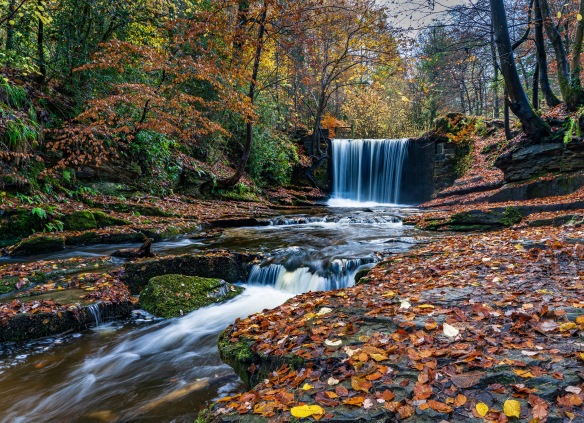
Plas Power Woods, Wrexham – Sony A7iii & 24-105mm
So what does 2019 have in store? Well, I’m certainly planning to get out more with my Sony camera – I’ve already booked to go on a couple of one-day events – not so much photo workshops as ‘opportunity days’ – the chance to shoot subjects that wouldn’t otherwise be as easy to access. I’ve realised that I don’t really get much from traditional group photo workshops; they tend to be quite expensive, and with up to 12-14 attendees it can be rather limiting – all standing in line to take the same shot. So I’ll mostly be going it alone…
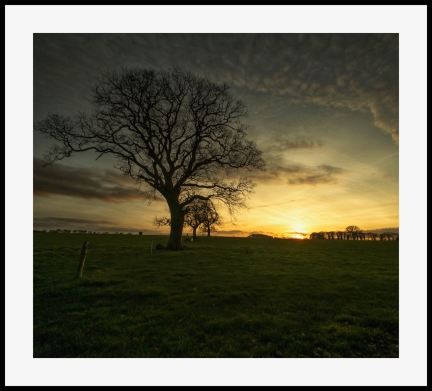
Peatswood – iPhone XR & Moment w/a lens
I’m also super-excited about using my smartphone for ‘off the cuff’ photography – there are so many photo opportunities in everyday life, and having a half-decent camera with you all the time is definitely the way to go. This photo was taken on my iPhone while on a family walk, and entirely processed using Lightroom Mobile & Snapseed on the phone itself. It obviously takes longer to ‘process’ a RAW image from the phone than it does to use the standard JPG file that phones capture by default, but it really does open up some interesting possibilities.
I don’t think I will ever give up having a ‘real’ camera, but who knows!
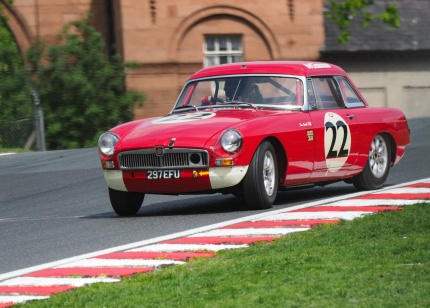 Although I have some reservations about using my Olympus Micro-Four Thirds (MFT) cameras for landscapes, one area where they come into their own is fast action photography like motor sports. The sensor on all MFT cameras is just one quarter the size of a so-called full frame camera, and although they can still deliver file sizes based on up to 20Mpx, the individual pixels are so-much smaller, so suffer from noise in low light or high contrast situations and this does limit things somewhat, in my opinion. MFT cameras do have a couple of particular advantages though, especially for action photography – the small sensor means that a given focal length lens is equivalent to a lens twice as ‘long’ as one fitted to a full frame camera, and for any given aperture will have a much greater depth of focus. So, in practical terms, the same ‘spec’ lens on an MFT camera will bring things in much closer, and more of the subject will be in focus.
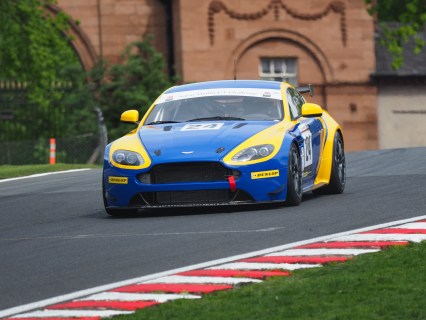 My camera, the Olympus E-M1 mk2, has one other killer feature – ProCapture. Whereas most cameras will focus on the subject when you half press the shutter, and then take one or more photos when you fully press it, Pro Capture starts recording as SOON as you half press the shutter, and ‘buffers’ or keeps the last 12 shots in its memory together with all those after you press the shutter, and these are then written to the memory card. So if you are shooting at one of the lower speeds, like 5 frames a second, you will get a couple of seconds worth of images BEFORE you make that final press of the shutter. How many times have we been looking through the viewfinder waiting for action to happen, like a bird taking off, but by the time we react to the movement, the bird has gone. This camera lets you go back in time!
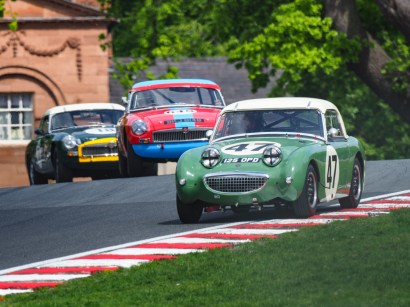 So last weekend I spent some time at a club motor race meeting at Oulton Park in Cheshire with those nice folks from Olympus UK Events. I already had my E-M1ii of course but was pleased to try both a 40-150mm Pro lens, and the 300mm f4 Pro lens (they were loaning out cameras too if anyone wanted to try those). A great opportunity to ‘try before you buy’ given that the 300mm lens is around £2000 to buy. Also on hand to help were Lewis Speight, one of the technical gurus from Olympus UK, and Mike Inkley, a pro sports photographer. So off we went trackside to record the cars that were racing that day – some modern sports/touring cars, but some classic sports cars too.
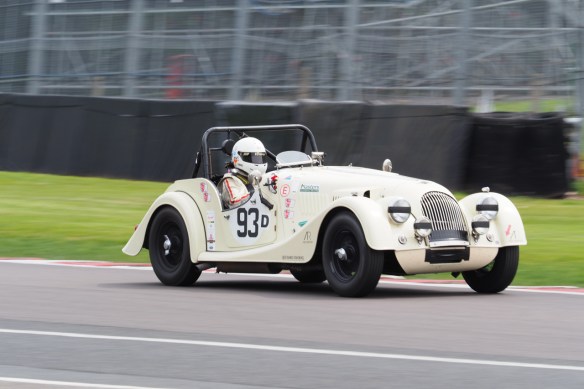 Lets just say that the equipment we were using was amazing – the ability to fill the frame and focus on fast moving cars from the other side of the safety barrier, and record bursts of up to 40 shots as the cars went past or crested the top of the hill at Lodge Corner! I did however fill a complete memory card during my morning session – over 3000 images – so needless to say sorting through these and picking the best from each sequence took some time!



 Nigel Young