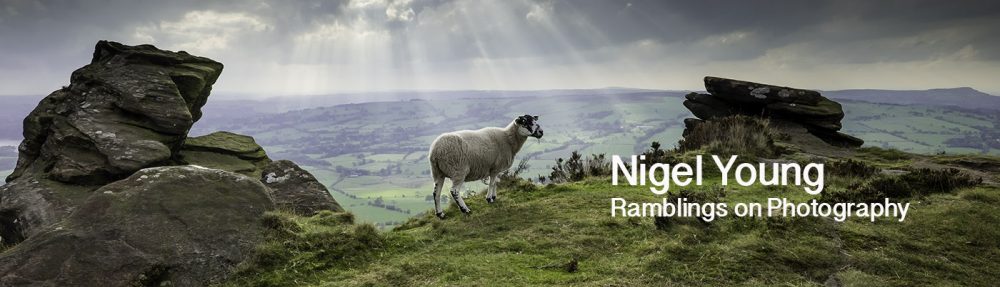
So this week I purchased the newly released iPhone 11 Pro. I bought an iPhone XR about a year ago, together with Moment telephoto and wide angle supplementary lenses, and although I thought the quality of images from this combo was great, it was always a bit of a ‘faff’ to take a lens out of my bag or pocket and fix it in place. Also, the special phone case that was needed to fit the lenses did make for a rather bulky setup. Consequence was that I didn’t really end up using them that much.
I was excited, to say the least, at the announcement of the new iPhone 11Pro with its 3 built in cameras – wide, super-wide and telephoto, and further improved processing capabilities.

iPhone (portrait mode)
With a holiday imminent, I decided to take the plunge and grab one as I saw they were available direct from Apple if I moved quickly. So, £1400 lighter for a 256gb version and Apple Care, I had it all set up in a couple of hours and good to go.
First impressions? – amazing! The wide lens is about the same focal length as the single lens on my iPhone XR, ie about 26mm (35mm equivalent) which is pretty wide anyway, the super wide is a staggering 13mm equivalent, while the tele lens is a useful 52mm, great for portraits. The super wide has to be seen to be believed – it’s not just the ability to get much more into landscape shots, it’s about being able to get so much more in the frame where space is tight. There’s a whole lot more I won’t go into in detail here, such as the ability to automatically apply perspective control to fix converging verticals – suffice it to say the imaging and processing rivals a ‘serious’ camera and dedicated computer…

iPhone (tele lens) – verticals corrected
So what are the images like? – in a word ‘fantastic’…! OK, from a tiny sensor and lens combo you are never going to get definition and clarity to match a dedicated APS-C or Full Frame camera, so mega size prints are out of the question. But let’s face it, how many of us non-professionals use our photos on anything larger than an iPhone or iPad screen anyway? What impresses particularly is how close the output matches what you thought you saw when you took the photo – whereas my Sony camera often needs images tweaking to get back to ‘as it appeared at the time’ the iPhone seems to hit it bang on, straight off!
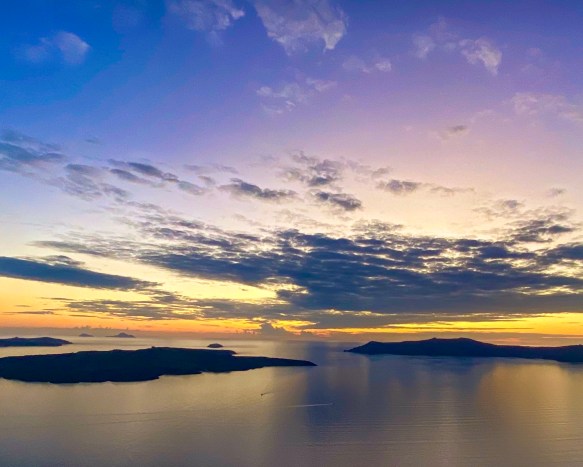
iPhone (super-wide lens) – cropped slightly
So where does this leave my ‘real’ cameras? – the SonyA7iii with its zoom and prime lenses, and my quite recently bought Fujifilm X100F? The Sony is smaller than good old fashioned DSLRs, but still quite chunky when fitted with its 24-105mm lens, and the whole kit needs a decent sized rucksack to carry it all. I find I go out with it less and less these days just due to the weight – my back is no longer up to trekking around the countryside with camera and lenses, filters and tripod!
The X100F is pretty small by comparison (but still a whole lot bigger than an iPhone) and has no interchangeable lens facility. I bought it as an ‘everyday’ carry around camera, thinking it would offer quality close to the Sony, but in a compact form. As you would expect, with its much bigger sensor it’s much better than any smartphone, and I’ve achieved very acceptable 30″x20″ prints from the earlier X100T version. BUT, it’s definitely not pocket sized, so not quite sure what it’s place is going to be – if I want absolute quality, and can cope with the weight etc, or want maybe a proper telephoto lens, I’ll use the Sony; if I’m prepared to sacrifice quality for sheer convenience, then it’s the iPhone… The X100F is an expensive piece of gear to hold on to if I’m not going to use it…
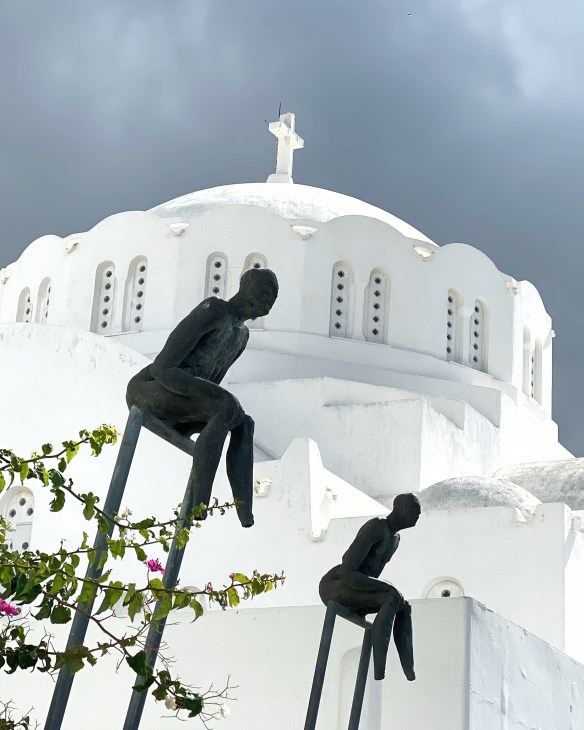
iPhone (tele lens)
Guess I’ll see how it goes – if, as I suspect, the Sony kit proves in the next year or so to be just too big and bulky to take out, then I may just give up on having a system camera altogether, or get something a bit smaller like a Sony A6xxx series outfit which would save maybe 40% of the weight without too much loss of image quality or functionality.
For now I guess I’ll concentrate on learning how to get the best out of my shiny new iPhone and then decide!
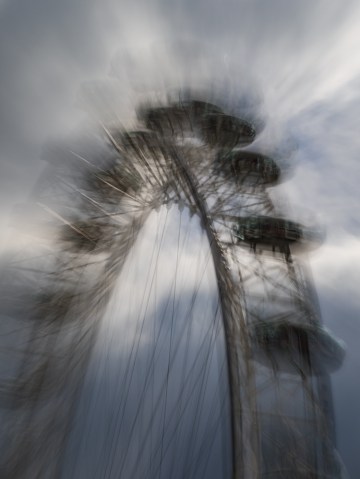

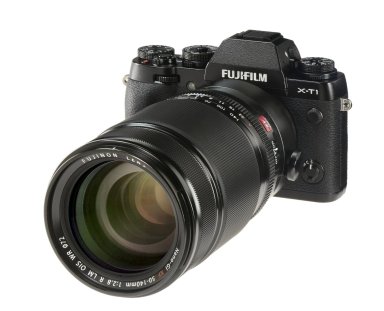
 So, a combination of a bundled deal with the new 1.4x converter, and a hefty discount at last week’s Photography Show was too much to resist, and I came home with one! Unboxing it did reveal just how ‘chunky’ this lens is – it reminded me of my 70-200mm f2.8 Nikon lens, albeit still quite a lot smaller than that brute. Mounted on my X-T1 though (without the detachable tripod foot) it’s beautifully balanced, and the controls are so smooth. The effect of the image stabilisation is obvious even just looking through the camera viewfinder, and the focussing is really fast.
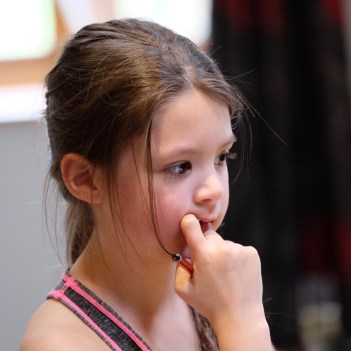 A combination of lots of other things to do, and poor weather this week means I haven’t been outside yet with the lens, but these are a couple of shots taken indoors. They are wide open (f2.8 of course), 140mm, and 1/125th sec, which is usually ‘marginal’ for getting a sharp photo at this focal length, but you can see just how sharp the images are.
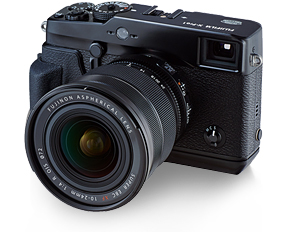 Much as I love my Fuji prime lenses, particularly the 14mm and 23mm, there are times when a nice wide zoom would be so useful. Sometimes 14mm just isn’t wide enough to get everything in shot, and there’s no opportunity to step further back. Likewise you may want to stay close to a foreground subject and get more background in. And there’s the ‘zoom’ thing – its all very good saying ‘ah well, don’t be lazy, just take a moment to change your lens over’, or ‘stand further back’ – that’s not so easy if you are standing in the middle of a mountain stream. Likewise if its blowing a gale you don’t want dust getting into your precious camera body, or to faff around switching filters over from one lens to another. If you are a documentary rather than landscape photographer, those few seconds changing a lens can mean missing that shot.
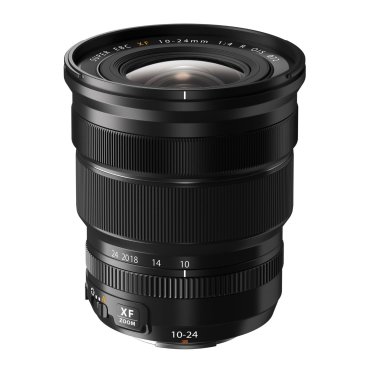 Ah, the first real problem… The 72mm filter size does mean I can fit my Lee Seven5 filter system on, but alas, at anything wider than the 14mm setting there is vignetting – i.e. the edges of the filter holder come into the edge of the shot – its then pretty much unusable with the Lee polariser fitted. Not great, but not the end of the world, as there’s always the option to use round 72mm filters – more money and more to carry around, and of course no graduated filter option.
 Nigel Young