Olympus does Motor Sport….

OLYMPUS DIGITAL CAMERAAlthough I have some reservations about using my Olympus Micro-Four Thirds (MFT) cameras for landscapes, one area where they come into their own is fast action photography like motor sports. The sensor on all MFT cameras is just one quarter the size of a so-called full frame camera, and although they can still deliver file sizes based on up to 20Mpx, the individual pixels are so-much smaller, so suffer from noise in low light or high contrast situations and this does limit things somewhat, in my opinion. MFT cameras do have a couple of particular advantages though, especially for action photography – the small sensor means that a given focal length lens is equivalent to a lens twice as ‘long’ as one fitted to a full frame camera, and for any given aperture will have a much greater depth of focus. So, in practical terms, the same ‘spec’ lens on an MFT camera will bring things in much closer, and more of the subject will be in focus.
OLYMPUS DIGITAL CAMERAMy camera, the Olympus E-M1 mk2, has one other killer feature – ProCapture. Whereas most cameras will focus on the subject when you half press the shutter, and then take one or more photos when you fully press it, Pro Capture starts recording as SOON as you half press the shutter, and ‘buffers’ or keeps the last 12 shots in its memory together with all those after you press the shutter, and these are then written to the memory card. So if you are shooting at one of the lower speeds, like 5 frames a second, you will get a couple of seconds worth of images BEFORE you make that final press of the shutter.  How many times have we been looking through the viewfinder waiting for action to happen, like a bird taking off, but by the time we react to the movement, the bird has gone. This camera lets you go back in time!
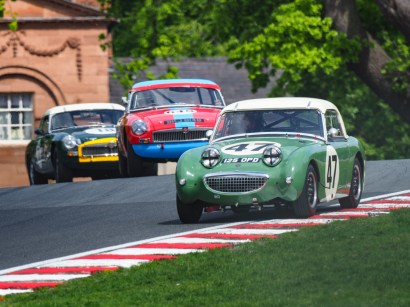
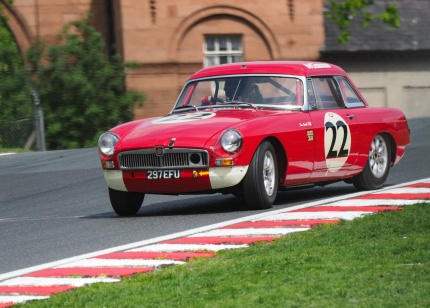
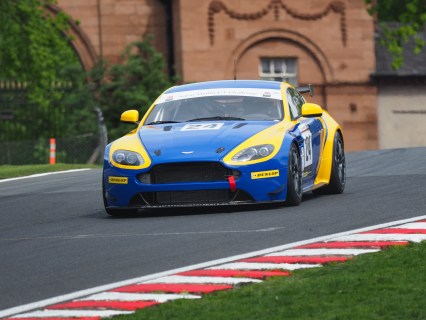
OLYMPUS DIGITAL CAMERASo last weekend I spent some time at a club motor race meeting at Oulton Park in Cheshire with those nice folks from Olympus UK Events. I already had my E-M1ii of course but was pleased to try both a 40-150mm Pro lens, and the 300mm f4 Pro lens (they were loaning out cameras too if anyone wanted to try those). A great opportunity to ‘try before you buy’ given that the 300mm lens is around £2000 to buy. Also on hand to help were Lewis Speight, one of the technical gurus from Olympus UK, and Mike Inkley, a pro sports photographer. So off we went trackside to record the cars that were racing that day – some modern sports/touring cars, but some classic sports cars too.
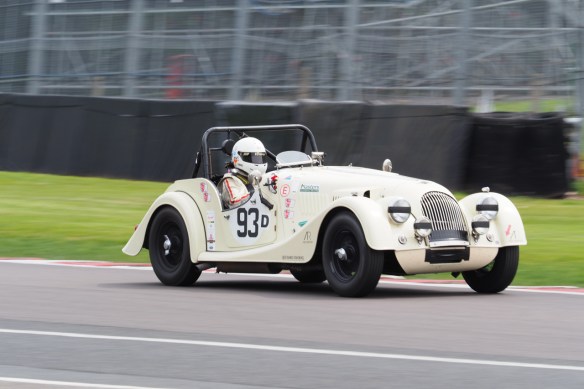
OLYMPUS DIGITAL CAMERALets just say that the equipment we were using was amazing – the ability to fill the frame and focus on fast moving cars from the other side of the safety barrier, and record bursts of up to 40 shots as the cars went past or crested the top of the hill at Lodge Corner!  I did however fill a complete memory card during my morning session – over 3000 images – so needless to say sorting through these and picking the best from each sequence took some time!

Suffice it to say, I would thoroughly recommend this setup for sport photography…

Coast and City…

OLYMPUS DIGITAL CAMERA

Perch Rock Lighthouse

Last week I had the opportunity to spend a few spare hours in the Liverpool area, so decided to check out the lighthouse at Perch Rock, New Brighton. This lighthouse has stood at the mouth of the River Mersey since 1830 and was only decommissioned in 1973. I misjudged the tides, and with the tide almost fully in when I got there, I wasn’t able to walk out to the lighthouse itself, but had to be content with taking photos from the edge of the promenade.  A stiff breeze meant there were waves 3-4 ft high, so it very much suited a long exposure treatment. Locking down the ISO to 64, and using a 10 stop filter gave me a decently long exposure, and I was pretty pleased overall with the result.

OLYMPUS DIGITAL CAMERA

Tate Liverpool

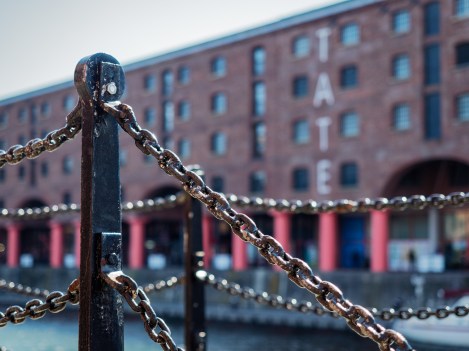
From here I used the Wallasey Tunnel to ‘pop’ into Liverpool and spent an hour or so around the Albert Dock area. I’ve taken photos before of the hundreds of padlocks affixed to the railings on the edge of the dock, but there are now so many its virtually impossible to get a ‘clean’ shot of the padlocks.  However the railings around the entrance to the Merseyside Maritime Museum were nicely lit by the afternoon sun, and made a good ‘frame’ for the sign outside the Liverpool Tate Museum. A wide-ish aperture softened the lettering on the sign, and created some useful separation.

OLYMPUS DIGITAL CAMERA

Museum of Liverpool

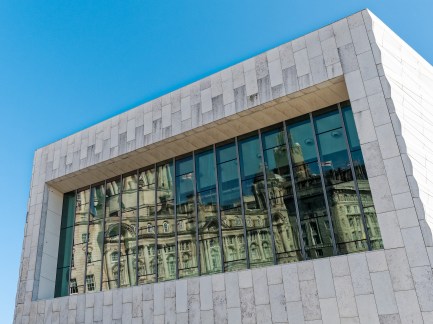
With construction work going on, there are barriers up all around the iconic front elevation of the Museum of Liverpool just now, so I had to be happy with a reflection of the The Three Graces in the picture windows at the end of the building.

Given that I only had a couple of hours altogether, and was ‘traveling light’ with just one lens (12-40mm on my Olympus E-M1ii) and a couple of round filters I was pleased with the results from the afternoon.

North Coast 500 Adventure – Part 5 (the end!)

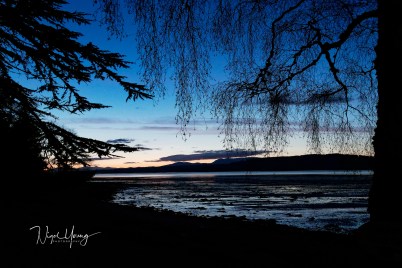
OLYMPUS DIGITAL CAMERAWe had booked a couple of nights at Bunchrew House Hotel, just outside Inverness, as we had missed Inverness out at the start of our trip. Turned out to be a very good choice – excellent food, comfortable room, great service etc, but the highlight was the choice of gins in the bar.  Upwards of 50, all Scottish, and many I hadn’t even seen before let alone tried!  Just had to try the recommended ‘gin flight’ – 3 different ‘island’ gins and a bottle OLYMPUS DIGITAL CAMERAof tonic, all served with the recommended garnishes etc. With a couple of other pre and post dinner drinks over the two days, I think that took my tally of new gins for the trip up to about 15… Great views from the hotel over the Beauly Firth, including a spectacular sunset.  Definitely recommend this hotel!
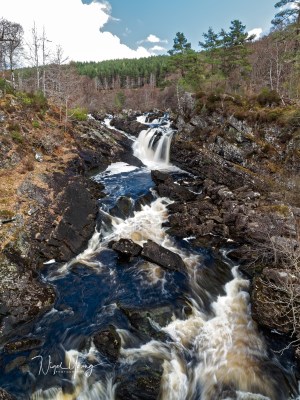
Next up was Rogie Falls – half an hour outside Inverness, with a pleasant mile or so woodland walk down to some pretty, EM120867_DxOif not particularly high falls.  A handy wooden footbridge across the falls gave the best view, even if it did make me feel sick looking down (there was worse to come later that day!)

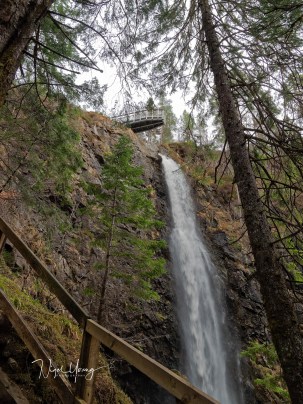
Not strictly on the NC500 route, we were keen to see Glen Afric, as it was touted as one of the prettiest glens in the Highlands – perhaps a little oversold, it was indeed beautiful (even in the rain, our first for quite a few days) but maybe not the very best views we had seen.  Someone had also recommended we visited Plodda Falls, which we found after quite a long diversion, the last mile of so over an extremely rough forest track – not at all comfortable in a very low car with hard suspension… Fortunately the rain abated and we took the short walk through the Douglas Firs down to the falls – very pleasant I thought, but not exactly exciting, until I heard the roar of water and realised there was more a further few yards away.  OMG! – walking out onto a cantilevered viewing platform you are right over the edge of the main falls which drop some EM120885_DxO40metres – talk about scary! The whole structure was shaking (or was it just me?) Absolutely incredible, and there are several other falls all coming into the same point, before the river rushes on. If you’ve got time, you can follow a path all the way to the base of the falls, but when in full flow (as they were when we were there) the spray will soak anyone on the path.
No visit to Inverness would be complete without a visit to Ffordes – the largest seller of used camera gear in the UK. Very tempting, and most helpful staff, but I managed to get out with my wallet unscathed, but there is always on-line…

OLYMPUS DIGITAL CAMERA

Commando Memorial

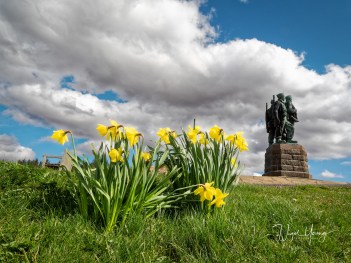
That really was the last of our journey on the NC500 proper, so the next day we headed south along the shores of Loch Ness, making the usual stops in search of Nessie – no sightings, but lots of tourists out and about by now.  As we’d not had chance to stop there on an earlier trip to the Highlands, we visited the Commando Memorial at Spean Bridge – erected in the early 1950s as a tribute to the commandos who served in WW2. An imposing 5m high monument on a small hill, the bronze statue of 3 commando comrades looks out towards Ben Nevis and has a sombre but uplifting atmosphere.

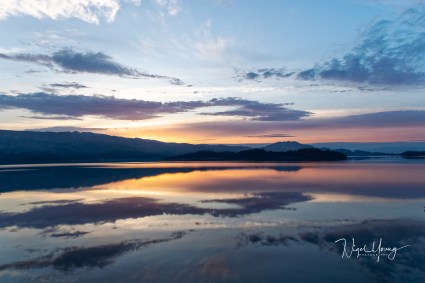
OLYMPUS DIGITAL CAMERAAnd so down through Fort William and into Glencoe with a brief side trip along Glen Etive in search of more deer (no luck, just some crazy kayakers shooting the rapids).  As it was Saturday, and the sun was shining, the A82 was unbelievably busy, with every car park/stopping place rammed, so we just headed straight on without further stops to the hotel on Loch Lomond where our whole adventure began. A beautiful late afternoon stroll along the loch into Luss – such a pretty little village. Woke next morning to the best sunrise we had seen all trip – and all from the comfort of the balcony outside our room. A great finish to what had been a fantastic trip.
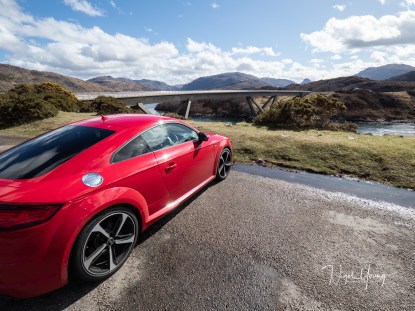
I had done quite a lot of research before our trip, but here are a few points which may help if you plan to do the NC500 any time soon:

1. The ‘best’ bits for me were along the west coast, so try to allow at least 3-4 days to cover that part of the trip, even if you do from Tongue/John O’Groats to Inverness in 2 days. We went clockwise around the route, but going the other way would be just as good!

2. Consider going in April/early May to avoid the worst of the crowds and the infamous midges (I guess mid-October/early November would be good too.) Book hotels well ahead as they are busy even at that time the year.

3. Don’t miss out the Bealach Na Bar/Applecross or Lochinver ‘circuits’ – for me they were the best bits!

OLYMPUS DIGITAL CAMERA

Kylesku Bridge

4. Keep your car well-filled with fuel – there are some long stretches without service (gas) stations. Likewise if you need to eat during the day, plan ahead – it wasn’t always easy to find places for lunch.

5. If you like a ‘wee dram’ remember that the drink-drive alcohol limits in Scotland are much lower than the rest of the UK. Likewise, watch the speed limits, especially on faster main roads like the A9 and A82 and around towns, and do give way to following traffic on the single lane with passing place sections.

So thanks for sticking with me – what was going to be a two part blog ended up being five, but then it was almost a two week trip, and the 500 mile advertised route ended up almost 1700 miles door to door for us!  But boy, was it worth it! We had a great time, saw some amazing scenery, stayed in fab hotels, ate some fantastic food, and met some really welcoming and friendly people, and a few Highland ‘coos’ too!

Here are a few last photos for now – when I get round to editing them all, I’ll add them to the relevant posts.

North Coast 500 Adventure – Part 4

OLYMPUS DIGITAL CAMERATongue Hotel turned out to be a good choice (to be fair there aren’t many hotels around here anyway!) – one of our fellow guests was BBC’s Jeremy Paxman, so we figured if it was ok for him, then it was ok for us. A (relatively) early start next morning as we had to be in Dunnet Bay by 11am for our pre-booked tour of the Dunnett Bay Distillery – home of Rock Rose, one of our favourite gins. Our tour (we were the only ones there) took almost an hour and a half, and we learned so much about the gin process, helped along by sampling several of their products! Definitely worth a stop if you are passing that way, and well worth the £12 pp cost.
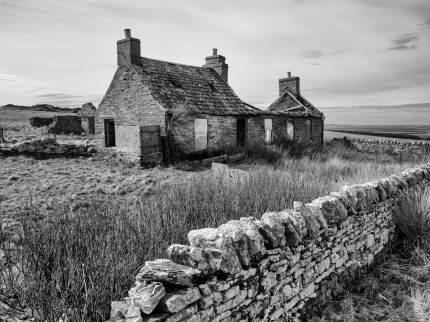
OLYMPUS DIGITAL CAMERAWe briefly stopped at the Castle of Mey, one time summer holiday home of the Queen Mother – it was pretty busy there and we only needed to use the loo, so onward… Interestingly, the whole physical geography changed along here – although there were cliffs all along the coastline, just inland it was pretty flat, and the harsh gorse and heather landscape changed to mostly pasture.  Lots of abandoned ‘crofts’ – apparently dating back to the Highland Clearances of the 18th and 19th centuries where tenants were evicted in favour of land being used for sheep grazing. 
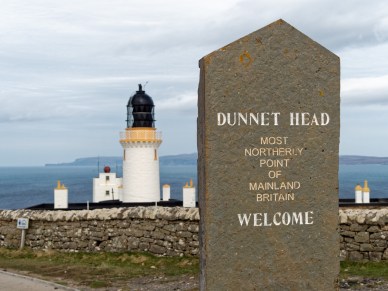
And so we arrived at John O’Groats, not actually the most northerly point of the UK mainland, but pretty close, and home to that famous sign for the obligatory photograph. Rather like Lands End (by co-incidence we had been there only a few weeks earlier) it was a place to say you had visited, then move promptly on! A couple of miles away is Duncansby Head, yet another lighthouse, and the cliffs are home to thousands of nesting seabirds.

OLYMPUS DIGITAL CAMERA

Ackergill Tower

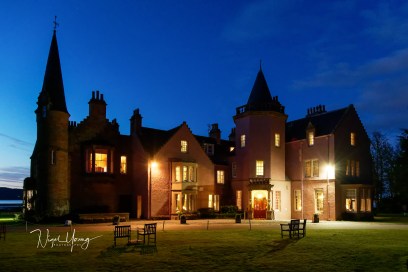
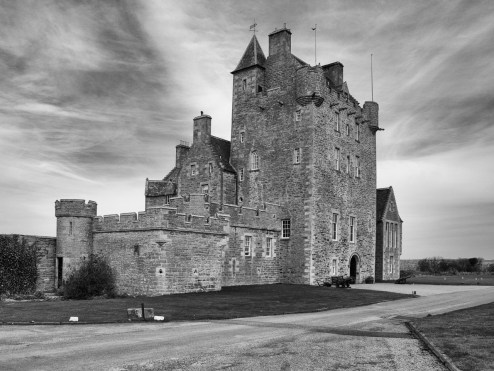
From this furthest-most point on our trip, it was time to head south now, just a few miles to our next overnight stop – Ackergill Tower, just outside Wick. A genuine castle this time, built around 1475 and pretty much in continuous occupation since then, it is now a 33 room hotel standing right next to the sea. Billed as a luxury hotel (and priced accordingly) it almost lived up to our expectations… First up – a seriously imposing building – a big solid stone facade, with towers and turrets etc, and cannons outside the entrance! We ventured to the top of the tower – three flights of stairs up, and then up a narrow spiral stone staircase and out onto the battlements. Given my fear of heights I think I did pretty well. Our bedroom was comfortable, and both the drawing room and huge vaulted dining room were impressive to say the least with wood panelling, plasterwork and huge pictures of the landed gentry former residents.  The food was good (we had booked dinner, bed and breakfast) and although the service was reasonably good, it lacked the polish of other hotels we stayed in on our trip.  What did amuse us was the music playing in the dining room – a little CD player in the corner, playing a single CD of popular Scottish music, over and over again.  Fair enough, although it was weird hearing ‘Auld Lang Syne’ at breakfast in April!

OLYMPUS DIGITAL CAMERA

Dunrobin Castle

Heading out next day, it was mostly cliffs, beaches and rolling countryside, with a few stops to take in the views. Dunrobin Castle, with 189 rooms the largest castle in Northern Scotland, was our next stop. If you don’t want to tour the building itself, there is a path that takes you down to the shore, and this offers fine views of the exterior.

Passing the village of Tain (the home of Glenmorangie), and the ‘parked’ oil rigs in Nigg Bay, we stopped at the Storehouse of Foulis (another recommendation) for lunch – good food and reasonably priced too.

We spent a good hour at Chanonry Point, just outside Inverness on the Black Isle, as this was recommended for dolphin watching, but alas there were none – the best times are apparently later in the summer, on a rising tide, so that will have to wait until another visit. A beautiful and peaceful spot nevertheless with views across to Fort George on the other side of Cromarty Firth, and down to Inverness (and another lighthouse of course!)

North Coast 500 Adventure – Part 2

Loch Maree Viewpoint

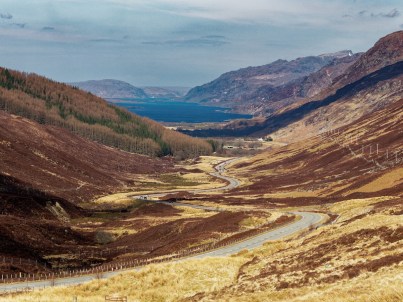
Loch Maree from Glen Docherty

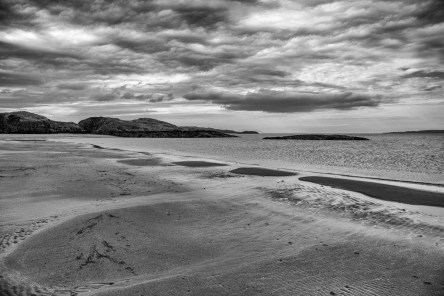
After our hair-raising drive around the Applecross Peninsula, it was time for something a little more leisurely, so for our next day we didn’t stray far.  We started in the quant village of Kinlochewe, with its brightly painted cafe, and took the short diversion up to the viewpoint at Glen Docherty, which affords wonderful views over Loch Maree, the third largest loch in Scotland. Then we took the single track (main!) road a little further north along Loch Maree to the beautiful sandy beach at Gairloch – there’s easy parking by the church/cemetry and a boardwalk  down to the beach. What a wonderful beach!

Next up, we took a short diversion off the official NC500 route to Badachro as we had seen signs promising a decent pub for lunch. Although the views over the harbour from the pub lounge were great, and the bar had a good selection of drinks (including the local gin), sadly the food was a little disappointing and ‘mine host’ was rather overbearing!

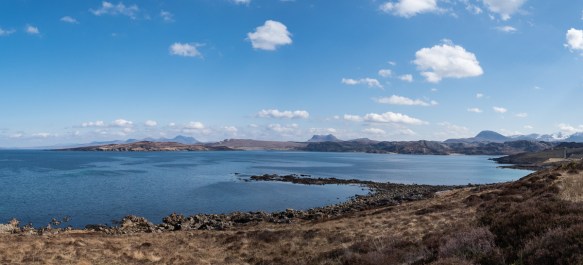
After another night at our hotel, where we tried their rather less fancy and more reasonably priced Torridon 1887 Pub for dinner, it was on the road again. Next real place of interest was Loch Ewe, used in WW2 as the start point for many of the ill-fated North Atlantic convoys. Apart from the remains of some fortifications, there is currently a NATO refuelling depot there which rather spoils the view over the loch! Next along the route was Gruinard Bay, with its beautiful panoramic views out towards the Summer Isles, before a drive alongside the heavily wooded Little Loch Broom, across some spectacularly deserted moorland, before down to the sea again at Ullapool.

Gairloch Beach

Just another beach…

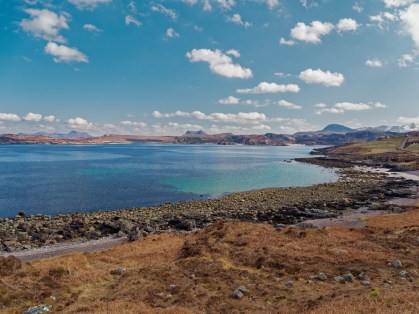
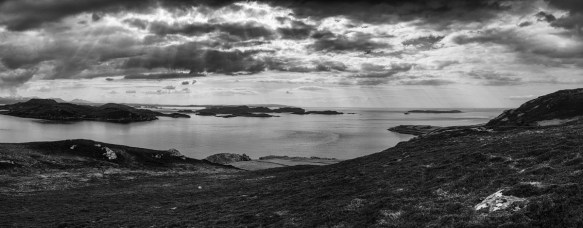
Rather than take the ‘official’ route straight up to Assynt and our next hotel at Lochinver, we elected to take ‘minor’ roads there (heck even the ‘major’ roads are often single track with passing places!) and what an afternoon it was. Passing the base of the impressive Stac Pollaidh (pron. Stack Polly) mountain, we reached Loch Oisgaig, another spot where the freshwater lochs virtually meet the sea, and a lovely little peninsula that directly overlooks the Summer Isles. More beautiful beaches and viewpoints around Polbain, some quite isolated properties (both old and new) but a wonderful sense of peace – if ever I go missing, you will know where to start looking for me!

OLYMPUS DIGITAL CAMERA

Summer Isles, from Polbain

To be honest, we could have stayed there forever, but our hotel, Inver Lodge, beckoned so on we went through beautiful Inverkirkaig and onto our base for the next couple of days.

Lochinver from Inver Lodge

Lochinver, from Inver Lodge

Built in 1986, this is definitely not the prettiest hotel you’ll find in Scotland (it looks more like a residential home or golf clubhouse!) but perched as it is on a hill above Lochinver, it has fabulous views over the harbour and surrounding area from every room and certainly delivers! We stayed for 3 nights (they frequently have a 3 for 2 offer on accommodation) and enjoyed great service and fabulous food – it has an ‘Albert Roux’ restaurant and we tried his signature Soufflé Suissesse starter – delicious, rather like ‘floating islands’, but with cheese sauce instead of cremé anglaise…  Another opportunity to try some local artisan gins too – looking at the selection on offer there will soon be as many Scottish gins available as whisky!

OLYMPUS DIGITAL CAMERA

Gruinard Bay and the Summer Isles

Here are a few more photos from this part of our trip…

North Coast 500 Adventure – Part 1

OLYMPUS DIGITAL CAMERA

Loch Lomond (in the rain)

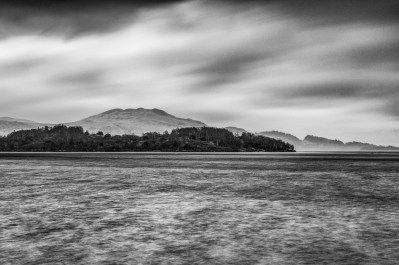
Our first road trip for quite a while, and top of my bucket list, the North Coast 500 (NC500) is marketed as Scotland’s answer to US Route 66. Roughly 500 miles long, it starts and finishes in Inverness, and pretty much follows the coast road around Northern Scotland. Planned as a holiday rather than a photo trip, there was obviously going to be lots of photo opportunities, but not much time for considered and contemplative photography – right from the outset I figured it was going to be pretty much snapshots only. So, no filter systems, just my Olympus E-M1ii camera and 12-100mm ‘superzoom’ lens, and a Pen-F and 17mm as ‘backup’.

OLYMPUS DIGITAL CAMERA

Glenfinnan

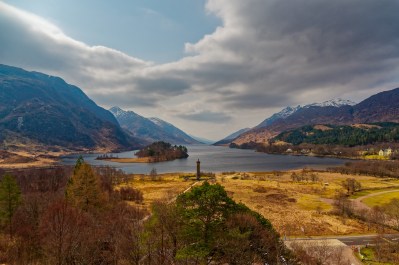
Starting from home in Shropshire added another 250 miles each way to the start point, so it was more like a NC1000 for us! It all started in rather damp fashion, with a grim drive in the rain through the M6 roadworks in Cheshire. Fortunately the rain eased off after that and we got to our first overnight stop on Loch Lomond without incident, although the rain made another appearance. Staying in the excellent Lodge on Loch Lomond overnight, with the added bonus of a sauna in our (upgraded) room set us up for what turned out to be an eventful second day.

OLYMPUS DIGITAL CAMERA

Ferry Crossing

It started well enough, with a steady drive up through beautiful Glencoe, followed by a brief stop in Fort William to take in an exhibition of Scottish Landscape Photography.  All good stuff.  Then the plan unravelled – the swing bridge at Spean Bridge on the A82 had jammed in the open position, totally blocking the route northbound.  Rather than waiting until it was hopefully fixed, or taking a 90 mile diversion, we opted to cut across to Mallaig via Glennfinnan, and take the ferry to Skye, before crossing back to the mainland and working along the coast.  We had an anxious hour’s wait as the ferry was fully booked and we had to go standby!  Fortunately they squeezed us on, and we had a bracing 35 min journey across The Sound of Sleat to Ammandale, incidentally pretty much the only way to Skye before the Skye Bridge was opened in 1995. Not so lucky were the dozen or so cars in the queue behind us – they had wait for the next ferry 2 hours later… So it was then a straight drive to Broadford, and across the Skye bridge to pick up our original planned route – we were on Skye for just 25 minutes!

OLYMPUS DIGITAL CAMERA

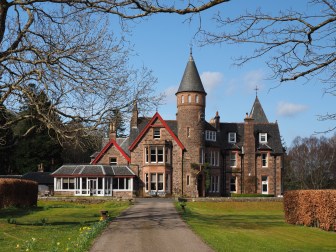
The Torridon Hotel

After a further couple of hours driving on fairly twisty and narrow (sometimes single track) roads, it was a relief to get to our hotel in Torridon – straight into the bar for a well deserved gin and tonic! A decent enough gin selection, but nothing compared to the almost 400 whiskies on offer! A beautiful hotel, albeit at the top of our budget, but so full of Scottish style and charm.

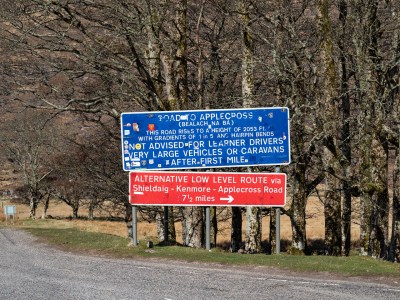
Up bright and early next morning (more sunshine too!) for our first ‘serious’ part of the NC500 – the Applecross Peninsular, and the infamous Bealach Na Ba pass through the mountains.  Reaching just over 2000ft at its highest point, this is not a road for the faint-hearted, or for camper vans – one section is very narrow indeed, with a gradient of 1 in 4, a series of hairpin bends, and

OLYMPUS DIGITAL CAMERA

Start of Bealach Na Ba

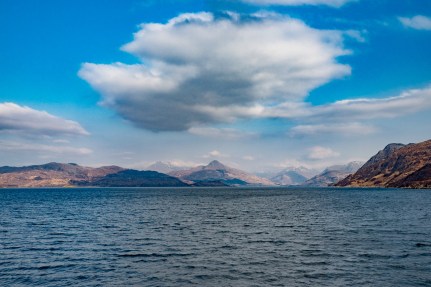
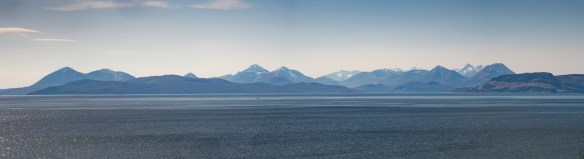
very steep drops just beyond the crash barriers! However, the views are simply amazing, looking out across the hills towards Loch Carron in the south, and Skye and its outlying islands to the west. After a brief stop at the summit viewpoint to take in the vista, it was all the way down again into the quaint little village of Applecross with its beautiful, if rather stony beach.  A quick lunch at the excellent Applecross Inn and we were off again, along the coast road back towards Shieldaig.  More amazing scenery as we tracked along the coast – mountains to our right, and sea to the left, with Skye and its islands of Rassay and Rona in the distance. With so much to see, and so many places to stop off and admire the views, it took us a good couple of hours to make the return journey to the hotel.

OLYMPUS DIGITAL CAMERAAn amazing day, and one that completely surpassed our expectations. Roll on tomorrow, and Part 2!

No Tripod Allowed

XT106875-Edit

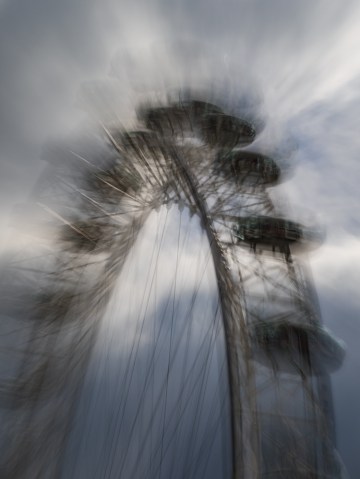
London Eye – Fuji 50-140mm

A combination of illness and family commitments means my Fuji cameras haven’t seen much action over the last month or two, but a couple of weeks ago I was booked on a Light and Land ‘Impressions of London’ workshop with Valda Bailey (Twitter – @tanyards) and Doug Chinnery (Twitter – @dougchinnery) and really didn’t want to miss it. Although I have been taking photos for over 50 years, and feel pretty confident with landscape and urban subjects, I’ve sensed my photography was in something of a rut lately and wanted to try a different approach. So off I headed to London, slightly intimidated by the joining instructions that stated that tripods were not allowed and would be ‘thrown in the Thames’! The reason for this became obvious fairly quickly – this workshop was all about experiencing different techniques like Intentional Camera Movement (ICM), Multiple Exposures and Zoom Pulling, and without the ‘straightjacket’ of a tripod, and the front-to-back sharpness that most photographers are programmed to produce, there would be ample opportunity for creativity and abstract impression. And, boy, was it a different experience!

IMG_2073-Edit

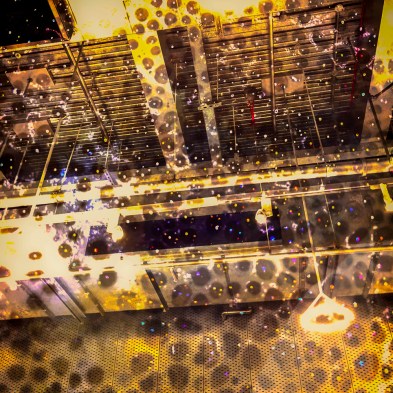
Tate Modern Café – iPhone 6

From the outset, it was clear this was going to be a great day; the weather was kind – mainly sunny with cloudy intervals; the location was great – the South Bank near Tate Modern; Doug and Valda were great tutors, and it was a small but enthusiastic group, keen to learn new techniques. After our initial briefing, where it became obvious that my Fuji X-T1 would have some shortcomings (more on this in a moment) we all worked individually to try and capture images that broke all the conventional rules, but still worked.The instructions were clear – experiment, take lots of photos, look for unusual angles, textures, colours and combinations.  Try to build up images from different elements that complimented one-another in some way.  Overlay patterns and abstracts on defocussed main images, and think about how images could then be further worked on via post-processing.

XT106514

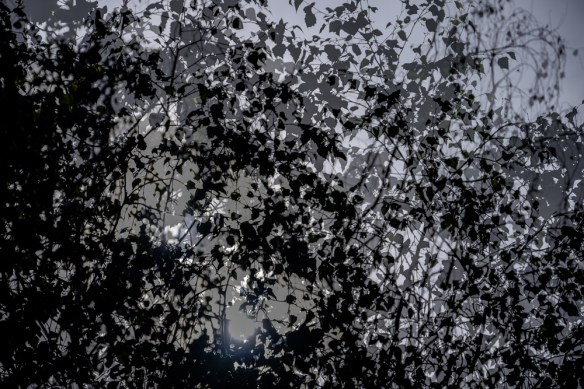
Trees, South Bank – Fuji 16-55mm

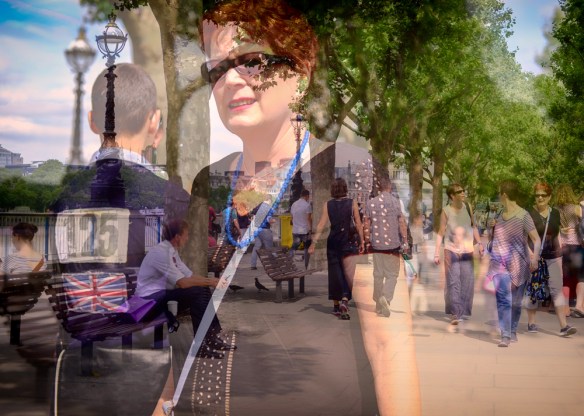
So the start point for me was multiple exposure images and this is where the limitations of Fuji cameras compared to Canon and Nikon DSLRs became apparent.  Some of the Canon cameras can take up to 9 shots to create a single image.  Not only that, but each is created as a RAW file, the individual shots making up the image can be saved individually, and there are multiple modes for blending the images together (like the layer blend modes in Photoshop). The Fuji cameras (X-T1 and XT10 anyway) are much more simplistic – only 2 exposures, a single ‘general’ blend mode, and the only image saved is a JPG of the multiple exposure itself – no original files to go back and have another go with at home… Although this was clearly limiting on the day, I did nevertheless manage several multiple exposure images I was pleased with. Maybe more sophisticated multiple exposure options could feature in a future Fuji firmware upgrade?

XT106638

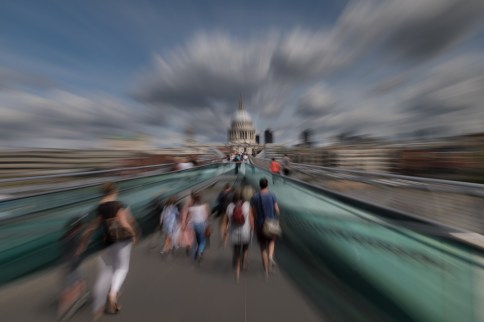
Millennium Bridge – Fuji 16-55mm

Next was Zoom Pulling – twisting the zoom ring during a shot. I found that exposures around 1-3 seconds worked best for this technique – too short an exposure meant there was little effect, while too long an exposure meant all detail was lost.  This is a pretty well known and often over used technique, so to my mind needs to be used with care. First time I think I’ve used it though, and some interesting results, especially with quite bold subjects.

XT106685

South Bank Apartments – Fuji 50-140mm

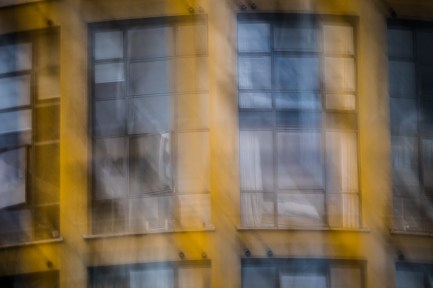
Intentional Camera Movement (ICM) is exactly that – moving the camera side to side, up and down, backwards and forwards, or twisting it, all during the exposure.  This can create weird and wonderful shapes, with these images used alone, or as part of a multiple exposure final image. One interesting thing I found was when using my 50-140mm lens with the image stabilisation switched on. During exposures of 2-3 seconds, providing the camera was not moving too quickly the IS would ‘lock on’ several times during the shot, giving the appearance of a multiple exposure – quite a pleasing result in some cases.

XT106860

Golden Jubilee Bridge – Fuji 50-140mm

These techniques (and Valda is a master) are becoming popular, as evidenced by the fact that this month’s UK photo press are carrying a couple of articles about it, so its definitely here to stay.  We were of course mainly shooting architecture and urban views, but I can see it would work equally well with landscapes, nature and even macro. What is rather good is that you don’t need to carry a complete bag of gear (as I did!) to capture these images – a mid range zoom lens is sufficient, and no real need for the highest resolution sensor either. I did find that switching filters to get the correct long exposures during changeable light was tricky – I think a variable ND filter would probably be quite helpful here.

So, I have several hundred images from the day – a few of which I am happy with as they stand, and a good number that can be worked on, either individually or combined in Photoshop.  I can’t wait to get out and try these techniques again – its not often you learn something new after 50 years of doing pretty much the same thing!

Thanks to Doug and Valda (and Light & Light for their great organisation) for a super day out, and a new creative angle for me to further explore!

160725 london street-6

South Bank – Fuji 35mm f2

The 1940s Festival in Colwyn Bay

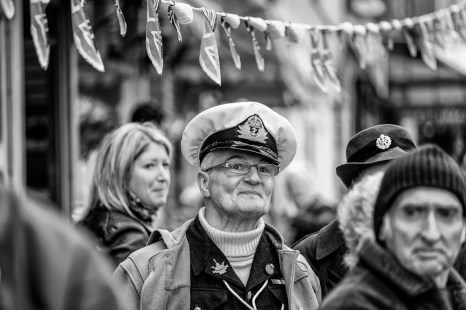
1604 colwyn bay 40s-23-EditPopped along last week to the 1940s Festival held in Colwyn Bay, North Wales. For two days over the weekend, the town embraced the look, sounds and even the smells of the 1940s, with many different displays, and hundreds of people dressed in period clothes. There were displays of wartime foods and rations, fighting vehicles including armoured cars and jeeps, and of course soldiers, sailors and airmen from Germany, France, Canada and the UK.  There was street dancing to ‘Glenn Miller’ style bands, a battle re-enactment and even a ball on the Saturday night (not that I stayed for that!)
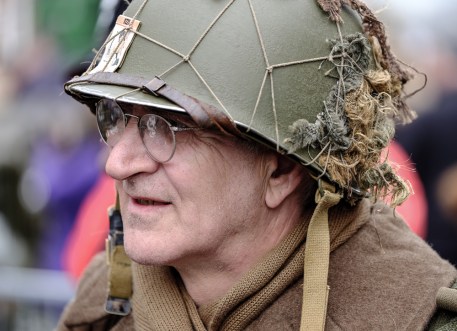
1604 colwyn bay 40s-66There were some excellent photo opportunities, and it was great to meet up with friends and customers of Cambrian Photography, where our walk around the town started. I could only spare a couple of hours there, and concentrated more on the characters around than the static displays. It was pretty much my first outing with a new 50-140mm f2.8 lens on my Fujifilm X-T1 – an excellent combination for street portraits, and I particularly welcomed the ability to separate the subjects from the surroundings by using the lens wide open.
Mono seems to suit the occasion, although there are a few colour shots too.  Mono shots are JPG images converted using Nik Silver Efex, while colour shots are largely straight out of camera.

This slideshow requires JavaScript.

Doors…

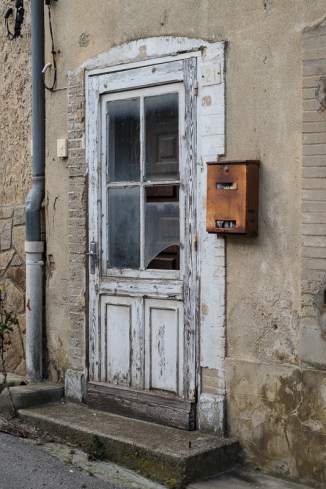
X10A5728Our little village in France (Montréal, near Carcassonne, in the South West) has a history dating back over 1000 years to Cathar times, and has a pretty eclectic architectural heritage. The Collégiale, or main church, dates back to the late 13th century, although it is thought a primitive church existed here several hundred years before that. Much of the surrounding village was burned to the ground by the Black Prince in 1355, and the next 400 years saw the village repeatedly attacked as a consequence of the religious strife that dominated this part of France. As a result, many of the older houses in the village date back to the 17th and 18th centuries and these sit alongside houses that have been modernised since, often in a haphazard fashion.  There are barely a handful of completely new houses in the main part of the village – all the new development has been carried out further afield.
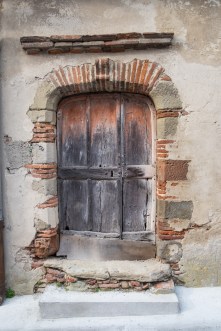
X10A5653The somewhat diverse architectural styles in the village are reflected in the doors – not just to the Collégiale and the grand houses in the village centre, but all the smaller houses too. Every time I walk around the village I marvel at the sheer variety of styles of door on show, so for a bit of fun decided to do a mini photo project, recording as many of the different doors as I could. Camera used was (as it often is these days) the Fujifilm X-T10, this time with the 18-55mm zoom. No special technique here – just walk up, select a nice view of the door/doorway – often from the side as the streets are too narrow in some cases to use even the 18mm front-on. Photos are all RAW images, imported into Lightroom with a little ‘punch’ added, and some judicious cropping and further adjustment where needed. Here are a few of my favourites from my mini-project.
This slideshow requires JavaScript.


The best ‘street’ combo yet?

IMG_1798

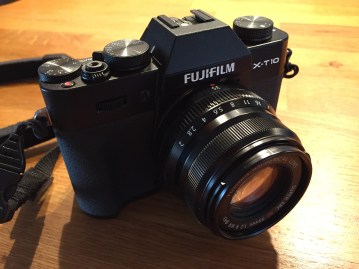
Fujifilm X-T10 and 35mm f2 lens

All photographers have their favourite cameras, and to be fair, their allegiance will often change over time.  Sometimes its a dissatisfaction or a bad experience with a particular model; sometimes its a case of ‘the grass is greener on the other side’.  But sometimes, a camera comes along which, for a particular use, is a real game changer. After years of shooting with Nikon cameras, I switched to Fuji – not because I was unhappy with the Nikons, far from it, but because my poor old back was no longer up to carrying a full size DSLR and its lenses. The Fuji X cameras work for me in pretty much every way, and are about half the size and weight.  Maybe if I was shooting sport, I would have stuck with the Nikons for their AF capability, but for my uses, Fuji cameras work perfectly.

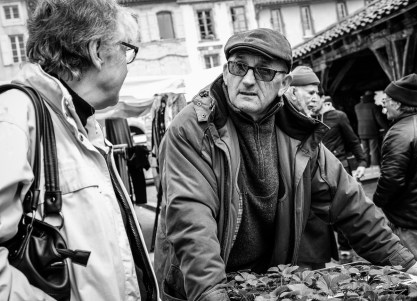
Saturday Market, RevelEncouraged by attending a couple of excellent workshops and photo walks with Matt Hart of Fujiholics, I have been doing much more ‘street’ photography. For me this means candid photos, mostly of people going about their daily business, and generally in mono. The key here is that whatever camera I use has to be discreet – no good toting a full-on DSLR with zoom lens – you are not going to melt into the scenery with one of those!  It needs first and foremost to deliver exceptional image quality, but must have decent AF, be small, and certainly as quiet as possible so as not to draw attention to yourself.
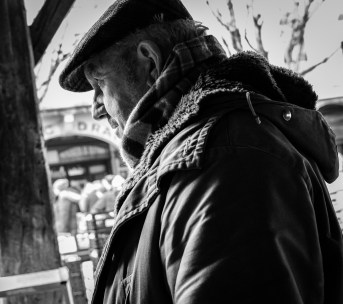
Saturday Market, RevelShooting at street markets in France is a case in point – French people, in my experience, are not at all keen on candid photos.  Whether its a national sense of privacy, or because some of the traders at the markets are working ‘on the black’, I don’t know, but be prepared for some hostility if you are seen overtly photographing them!
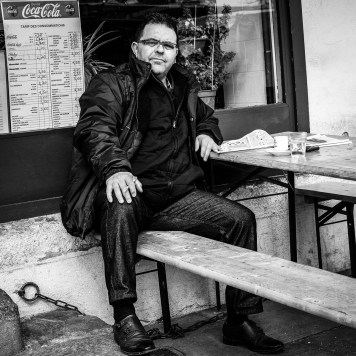
So enter my current weapon of choice, and probably the best camera I have ever used for ‘street’, the mirrorless Fuji X-T10 paired with the new 35mm f2 lens.  Image quality from the camera is excellent – on a par with the larger Fuji X-T1, but in a surprisingly small package – quite the smallest SLR style camera I have used.  The focussing of the new 35mm lens is so much faster than the ‘old’ f1.4 lens, and its a fair bit smaller too as well as bitingly sharp.  The whole camera/lens package weighs just 550gms and is so discreet its not true.

Saturday Market, RevelI took this rig out this weekend to shoot the lively Saturday market in Revel in the Haute-Garonne in France. Using the LCD screen tilted at 90deg I could shoot pretty much at waist level, and with the electronic shutter activated, the camera was virtually silent.  Of the 50-60 photos I took, only this one guy realised I had taken a photo! AF was set to zone focussing, ISO was auto 3200 max, and the aperture either f5.6 or f8.  I would say that focus was spot on for 90% + of the shots I took, exceptional given that I was mostly shooting from the waist and there was little opportunity to refocus or recompose each shot. Generally I use the RAW images from the camera and convert them using Silver Efex Pro, but with so may to process this time around, these are from the in-camera mono JPG images.  A little bit of cropping in some cases, and the clarity and contrast pushed a little in Lightroom, but pretty much as the camera produced them. I’m very happy with these photos.

I have to say I am really enjoying this setup for street photos – all the required quality and performance is there, and its in such a neat unobtrusive package. The lens is newly introduced, so still around the £300 mark, but the X-T10 body can be had for about £450, and there is presently then a £50 cash back offer from Fuji which makes it extremely good value for money for a camera, which to my mind, beats anything else out there.

Here are my favourite photos from the day.

This slideshow requires JavaScript.

A tip: if you plan to go to Revel for the market, do get there quite early – it was in full flow at 1030-1100am, and by noon was thinning out.