My, how this has changed since the days of film cameras! Then, it involved special infra-red sensitive film that could only be developed in complete darkness – not even a safelight could be used when developing IR film. Digital is so different – just pop an infra-red blocking filter onto most cameras, and shoot pretty much as normal. Providing it’s a bright day, then anything remotely green (leaves, grass etc) will be rendered as white (or near to white), and sky will go a very dark grey. Not all digital cameras are suitable for infra-red – it depends on the sensitivity of the sensor, and some lenses create ‘hot-spots’ of a lighter exposure in the centre of the frame due to internal reflections.
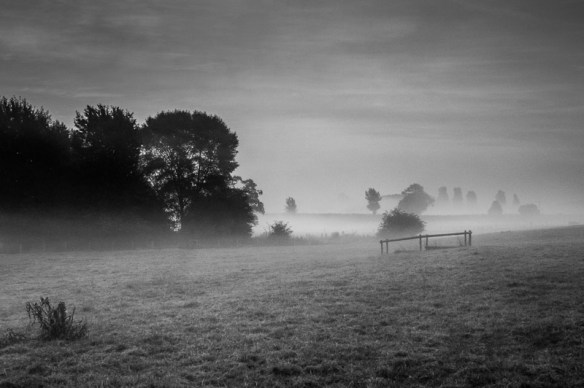
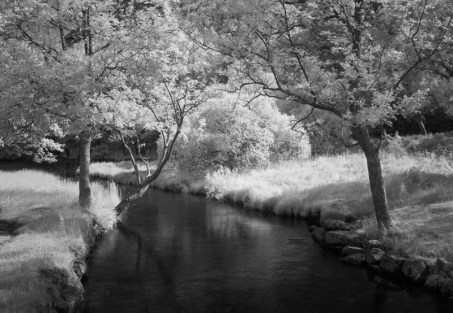 These photos were taken on my trusty Fuji X100S camera – the fixed 23mm lens displays no hot-spots at all. The optical viewfinder is very helpful, as once the infra-red filter is in place (in this case a Hoya R72 filter) so little light comes through to the sensor that the image on the LCD screen is very dark indeed. Exposures are always much longer than usual, so a tripod is essential. These photos were imported into Adobe Lightroom, converted to mono (I’m not a fan of colour infra-red) and the levels and contrast adjusted – its as simple as that!
If infra-red really ‘floats your boat’ then many cameras (certainly all the Fuji X series) can be converted – this costs around £250 and involves removing the IR blocking filter and replacing it with a special pass through filter. Different options are available depending on whether you want to do full colour, or just black & white.


 Nigel Young